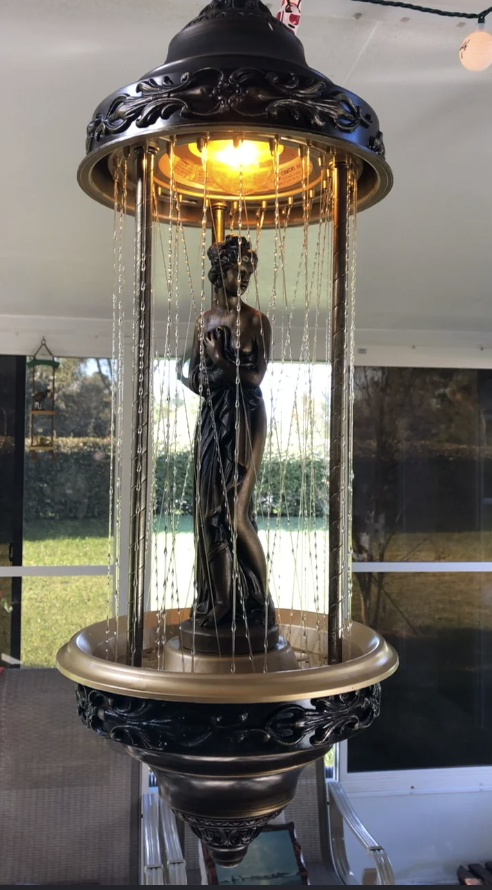
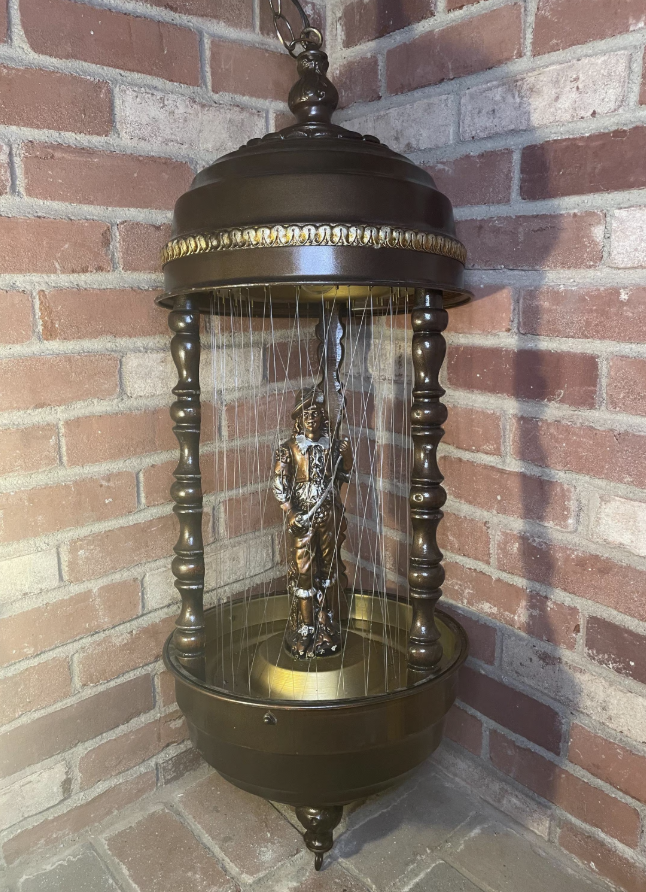
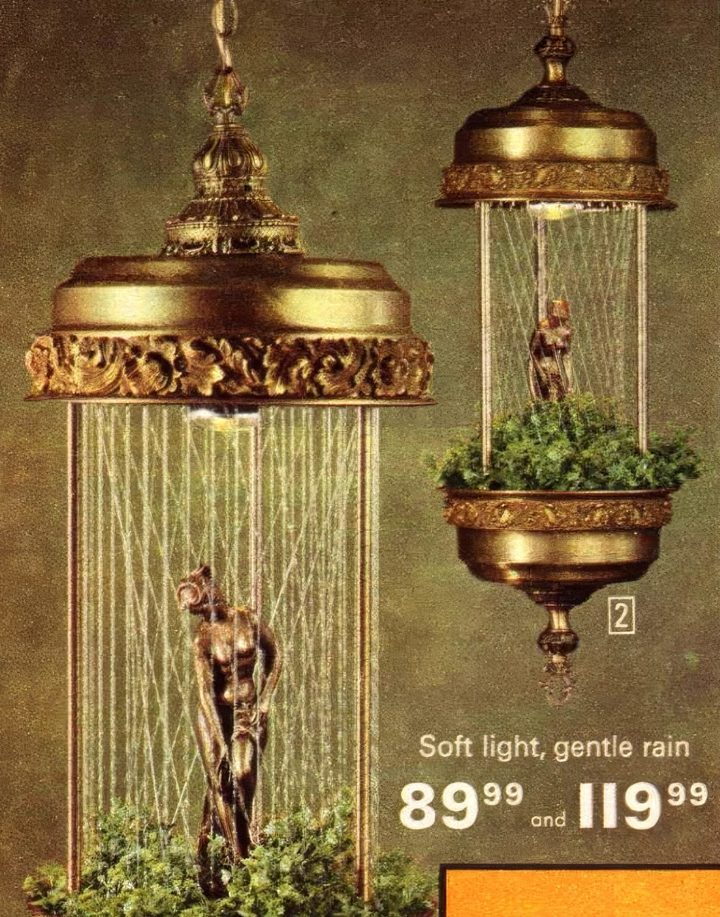
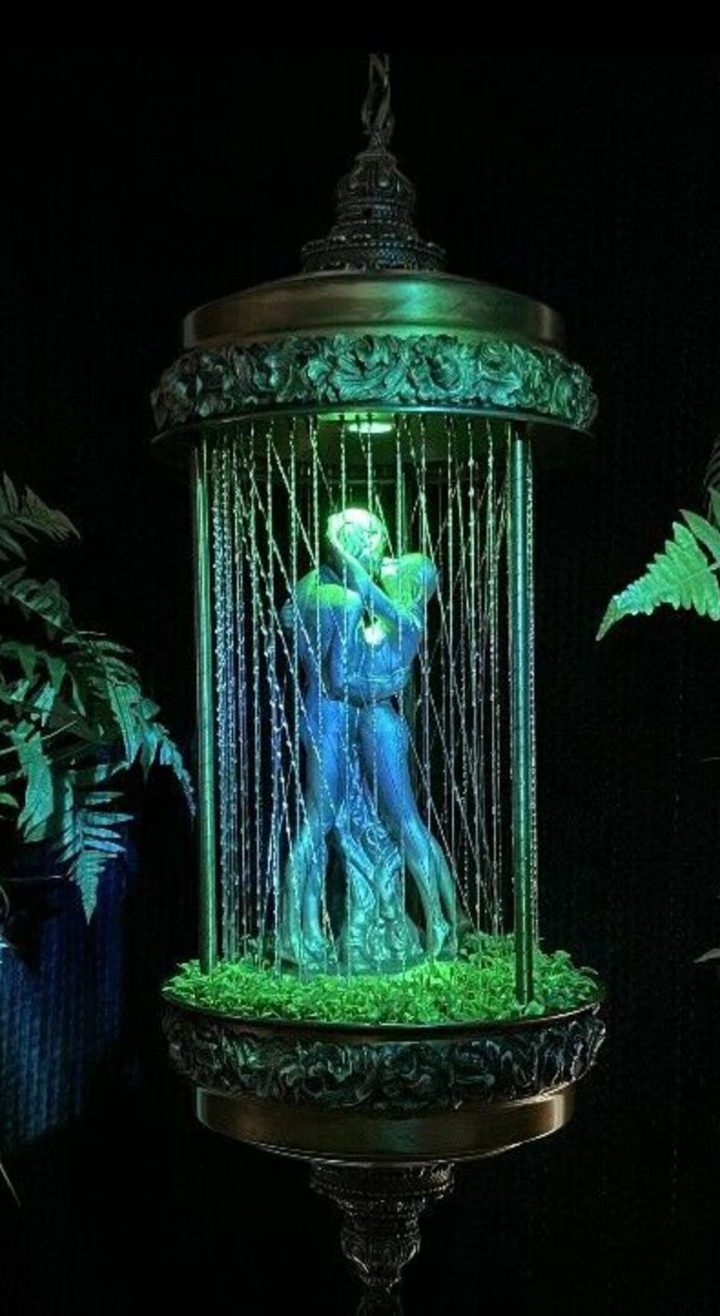
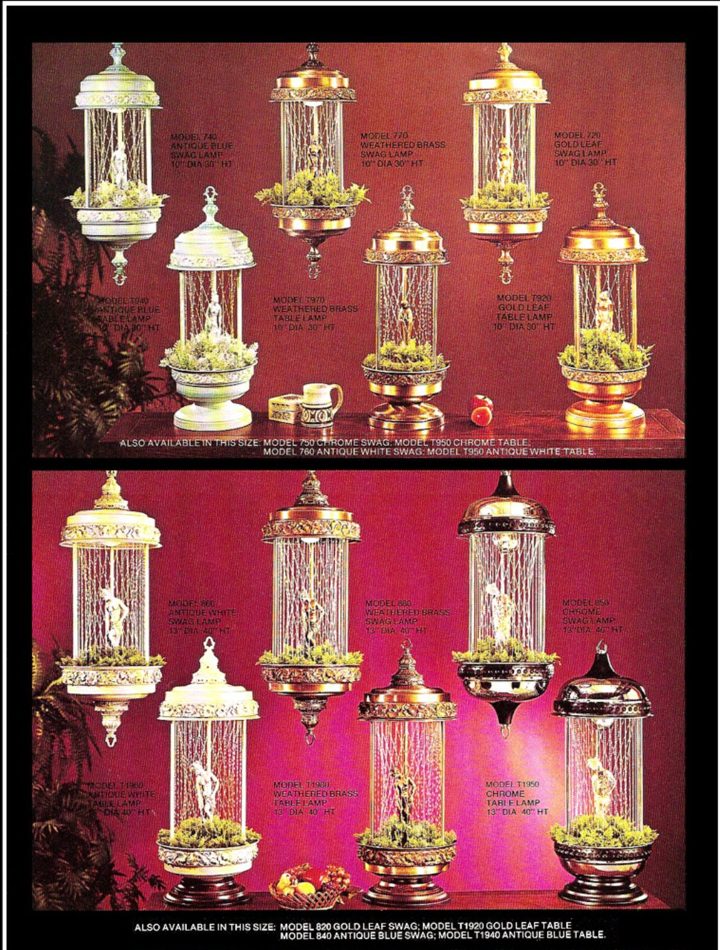
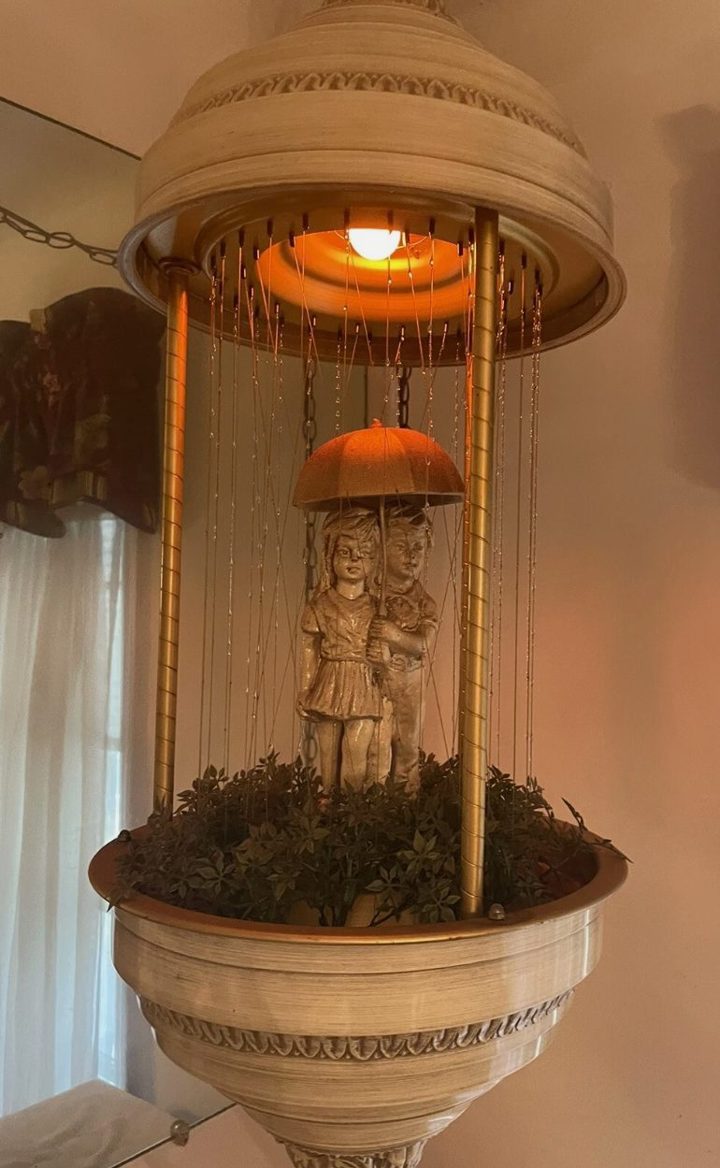
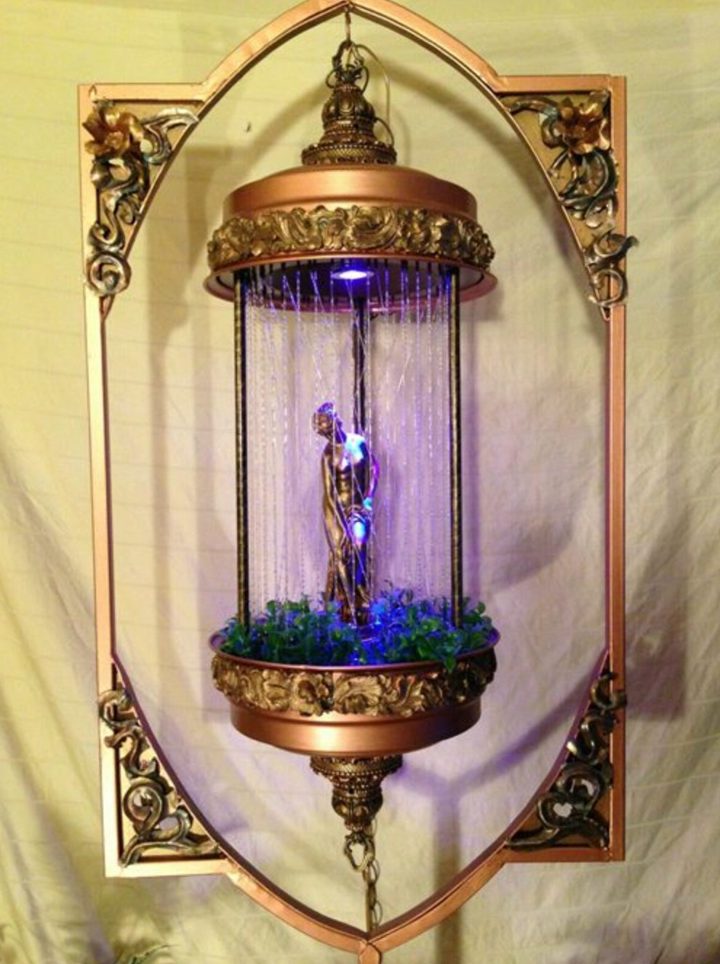
An oil rain lamp is a decorative electric lamp in which mineral oil runs down dozens of taut nylon strands, catching the light so it looks like falling rain. A small pump in the base lifts the oil back to the top, so the “rain” never stops. Most were made in the United States in the late 1960s and 1970s, often around a sculpted figure such as Venus or a tropical scene.
Every date carries a label saying how well it is documented. Where we have not found a primary source, we say so.
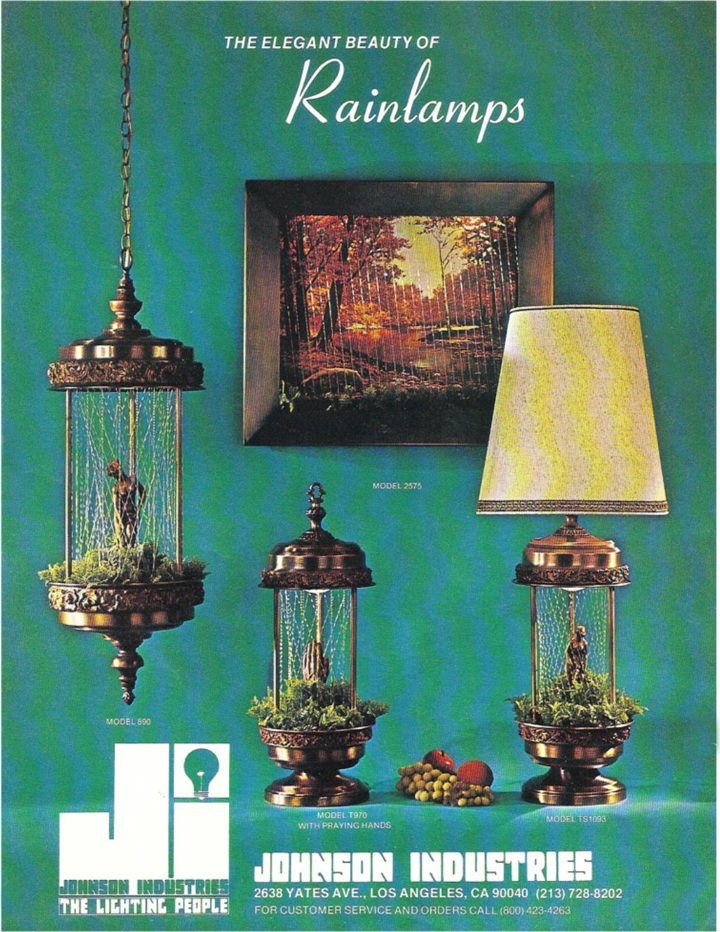
Collector and dealer sources credit Johnson Industries with creating the rain lamp, usually dated to the late 1960s. The first lamps centred on a cast figure of Venus, among plastic greenery, with mineral oil dripping down strands of line.
Reported by collectors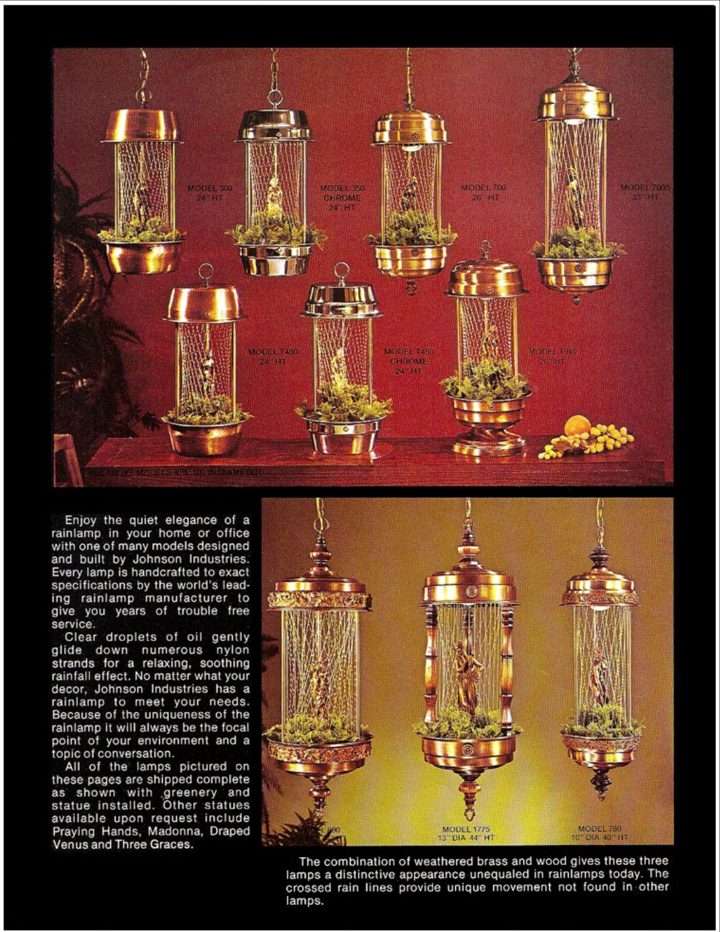
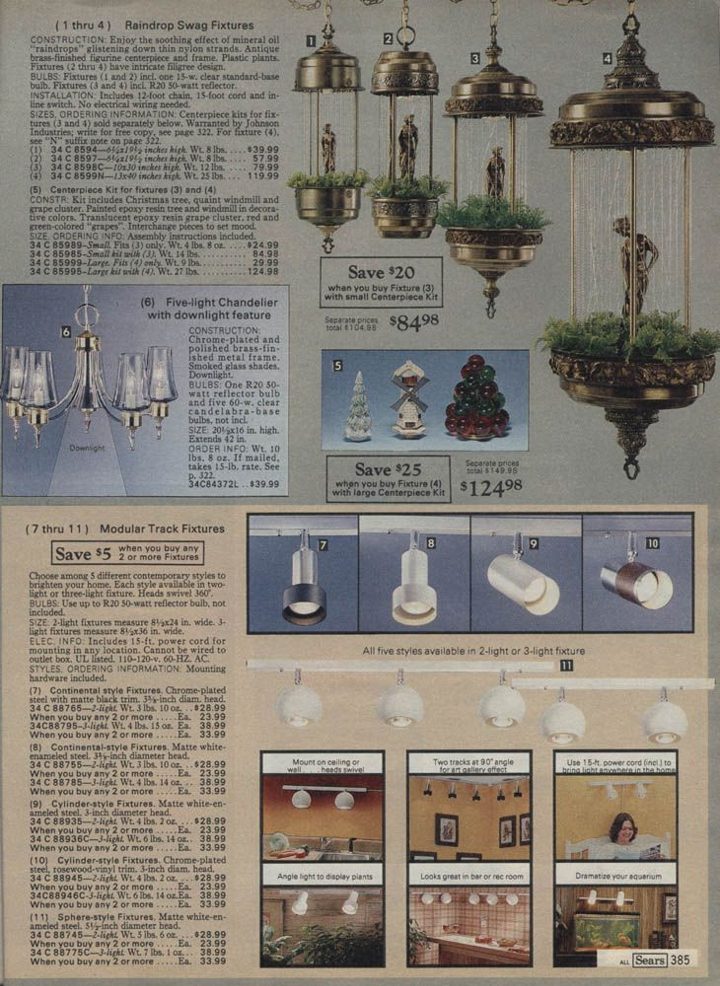
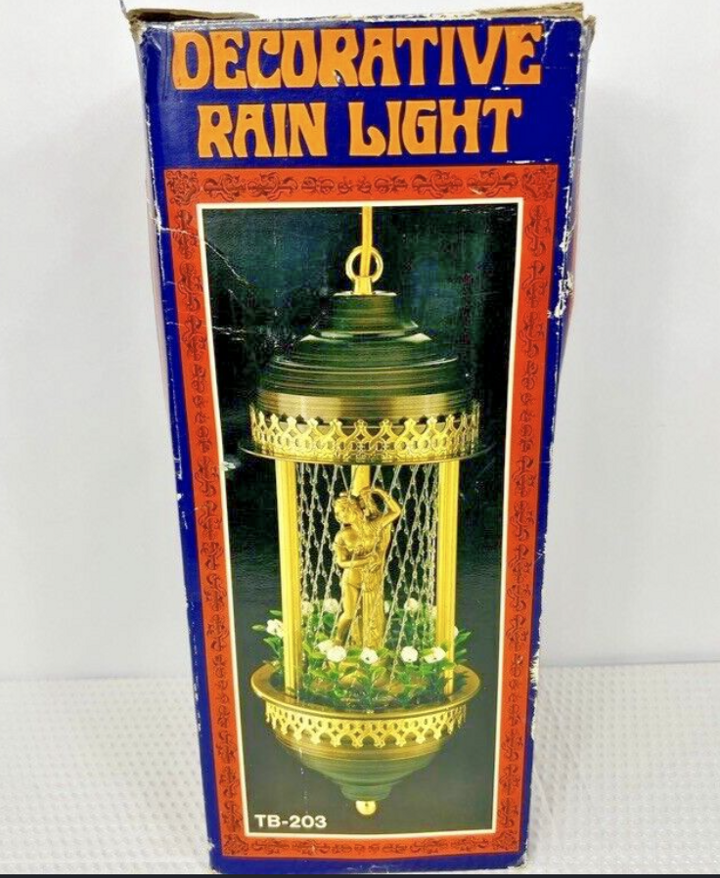
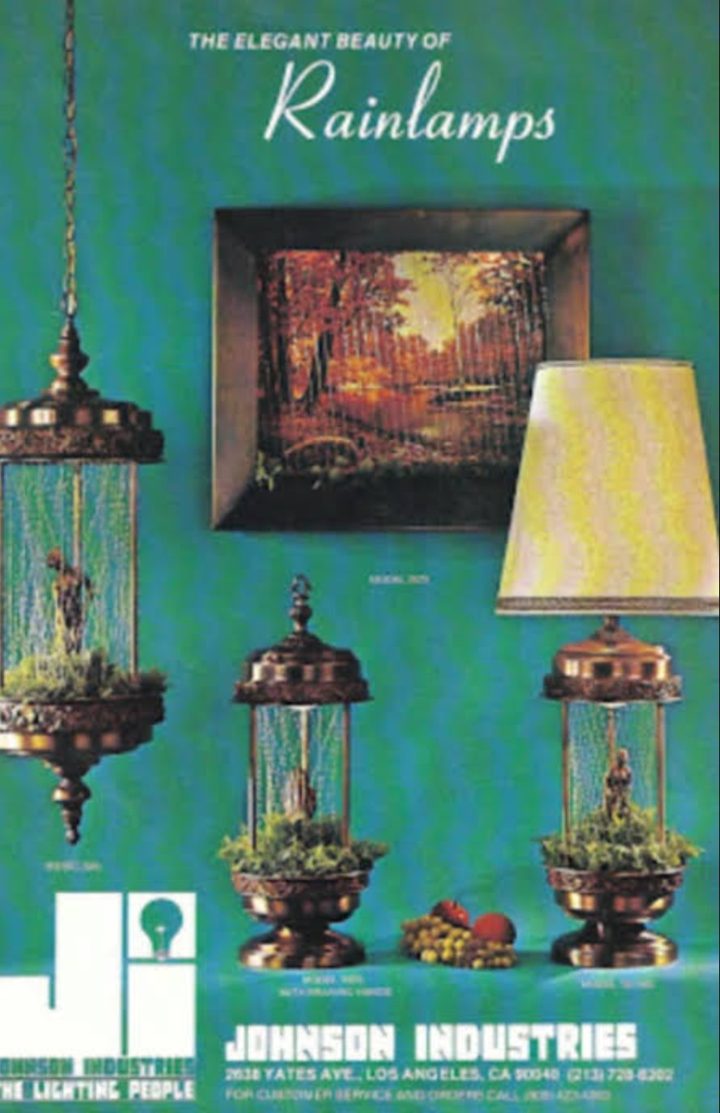
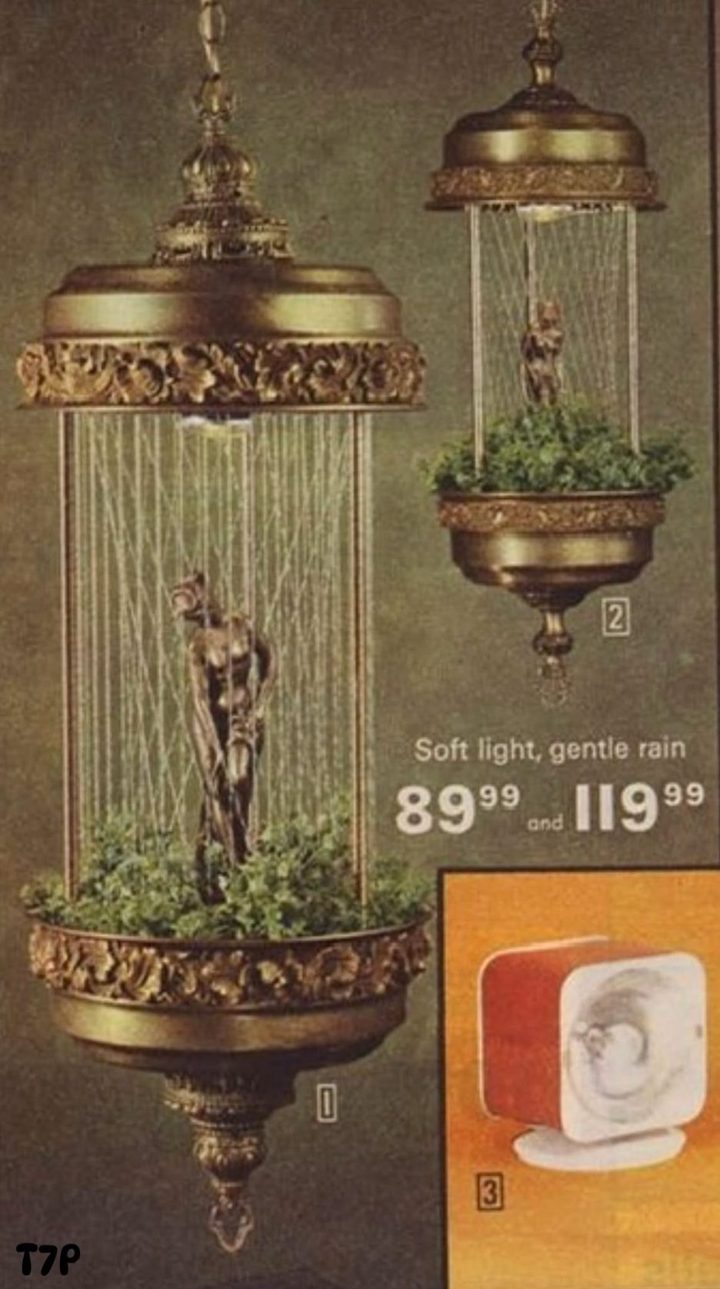
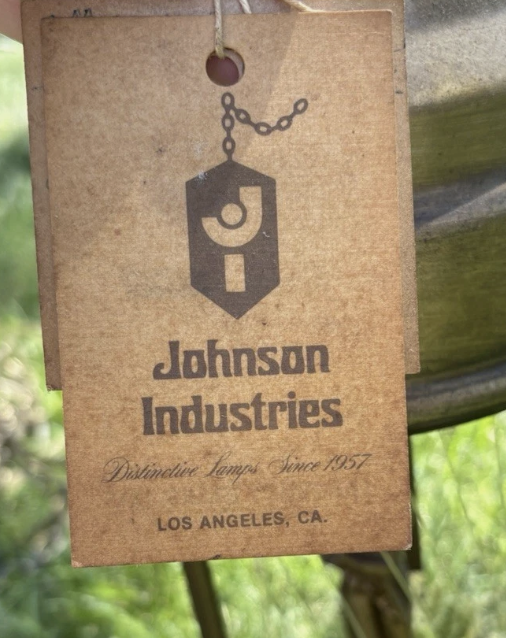
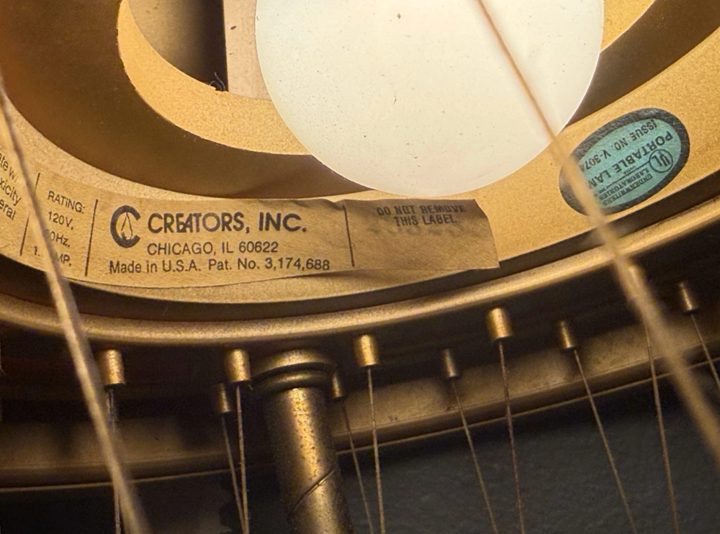
Look under the base and on the pump housing for a foil or paper label. Creators Inc. lamps are often marked.
Original lines are clear nylon, evenly spaced and anchored at both ends. Yellowed or missing strands can be replaced.
Figures were usually cast and finished in gold or bronze tones. Chips and flaking are common; replacements are not.
An original pump and cord help date the lamp. Brittle cords should be replaced before use.
How to clean one properly. Old oil turns yellow and sticky, and that dulls the rain.
A rain lamp is a decorative electric lamp from the late 1960s and 1970s in which a hidden pump lifts mineral oil to the top, so that it drips down fine strands of line like rain. Most have a classical figure at the centre and plastic greenery.
Not in the usual sense. Nothing burns. The “oil” is mineral oil that is pumped round and round to make the rain effect, and the light is a small electric bulb.
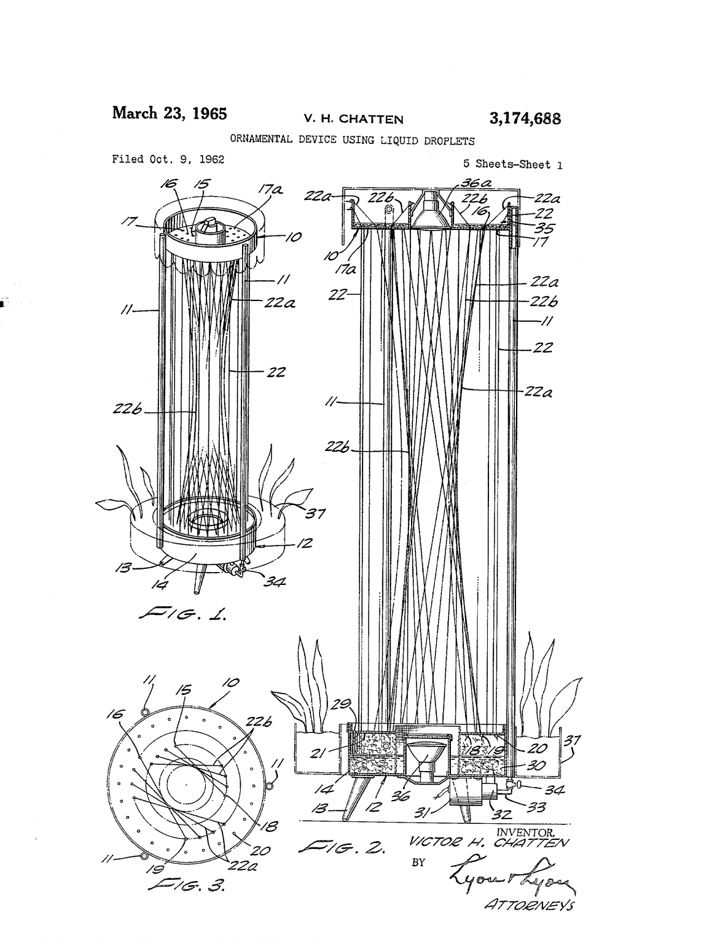
Collectors credit Johnson Industries with the original rain lamp in the 1960s. One blog names Richard Marquis and William H. Puett as holders of the first patent, but we have not found the patent record to confirm it.
Johnson Industries and Creators Inc. of Chicago are the two makers collectors name most. Many lamps carry no maker’s mark, so they are often attributed by style.
From the late 1960s to the early 1970s, and they stayed popular through the 1970s. One guide says interest declined in the early 1980s.
Clear mineral oil from a drugstore or grocery store. Restorers report that other oils can gum up the pump. Never use scented or coloured oil, cooking oil or kerosene.
Note the threading pattern, drain the oil, remove the brass couplings, and thread new clear monofilament line from the inside out. One restoration guide uses 40 lb fishing line and warns against anything heavier.
Originals are heavy brass or chrome, have a mechanical pump in the base, a well cast figure and solid metal fittings, and often a maker’s sticker with a serial number. Lighter frames, plastic cages and soft, undefined figures suggest a reproduction.
Reported prices vary widely. Typical vintage lamps are listed from about $250 to $400, rare models for much more, and a few for over $1,000. Most published prices are asking prices, not confirmed sales, so condition, completeness and the model matter most.
San Francisco Vintage in Angels Camp, CA is always looking for rain lamps. Add the one you want to our treasure list, or send photographs of one you would like to sell or consign.
Check the oil level first, then look for an airlock or a clogged intake. If it still won’t lift oil, replacement pumps are available; most lamps take a small submersible fountain-style pump.